Understanding the Otocinclus Catfish
The Otocinclus catfish, often affectionately shortened to ‘oto’, is a small, peaceful freshwater fish native to the fast-flowing rivers of South America. Renowned for its voracious appetite for algae, the oto has become a popular choice for aquarists seeking natural algae control within their tanks. These diminutive armoured catfish possess a unique sucker-mouth, perfectly adapted for clinging to surfaces and scraping away biofilm and algae. As of June 2026, they remain a staple in planted tanks and community aquariums worldwide, prized for their gentle nature and beneficial cleaning habits.
Last updated: June 9, 2026
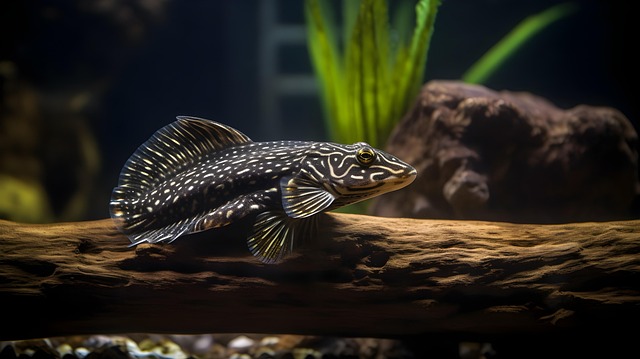
Despite their popularity, otocinclus catfish are not the hardiest of fish and can be challenging for absolute beginners due to specific care requirements. Understanding their natural habitat and dietary needs is crucial for their survival and well-being. This guide aims to equip you with the knowledge to provide an optimal environment for your oto population, ensuring they thrive rather than just survive.
Creating the Perfect Oto Habitat: Tank Setup Essentials
Setting up an aquarium tailored to the needs of otocinclus catfish is paramount for their health. These fish originate from clear, well-oxygenated waters with moderate flow, so replicating these conditions as closely as possible is key. A minimum tank size of 10 gallons (approximately 38 litres) is recommended for a small group of otocinclus, though larger tanks offer more stability and space for algae growth.
Crucially, otocinclus catfish require a mature aquarium. This means the tank should have been established and running for at least six months, allowing a healthy biofilm and algae population to develop on surfaces. Introducing otocinclus into a brand-new tank is often a recipe for disaster, as they will starve if insufficient food is present. The substrate can be sand or fine gravel, and a moderate water flow is beneficial, achieved through a powerhead or by positioning the filter output strategically.
Live aquarium plants are highly advantageous for an oto tank. Not only do they contribute to water quality and provide hiding places, but they also offer additional surfaces for algae and biofilm to grow. Driftwood and rocks are also excellent additions, providing ample surfaces for grazing and hiding. Avoid overcrowding; a general rule of thumb is no more than one otocinclus per 5-10 gallons (19-38 litres) of water, depending on the maturity of the tank and the availability of natural food sources.
Water parameters are critical. Otocinclus prefer soft to moderately hard water with a pH range of 6.0 to 7.6. They are sensitive to poor water quality, particularly ammonia and nitrite. Regular water changes, typically 25-30% weekly, are essential to maintain pristine conditions. Maintaining a stable temperature between 72-78°F (22-26°C) is also important for their health.
The filtration system should be efficient but not overly aggressive in its flow, as strong currents can stress these small fish. A sponge filter or a hang-on-back filter with adjustable flow is often suitable. It’s vital to protect the intake of any filter, as otocinclus are small enough to be sucked in. Using a pre-filter sponge is a simple yet effective preventative measure.
Feeding Your Otocinclus Catfish: More Than Just Algae
While otocinclus catfish are excellent algae eaters, relying solely on algae within the aquarium is often insufficient, especially in tanks that are too clean or too new. In their natural habitat, they graze on a variety of algae and biofilm, which provide essential nutrients. In an aquarium setting, this natural food source may not always be abundant enough to sustain them.
Therefore, supplementary feeding is crucial for the long-term health of your otocinclus. High-quality sinking algae wafers or pellets designed for herbivorous fish should be offered several times a week. Ensure these foods are specifically formulated for bottom-dwellers and contain a good proportion of vegetable matter. Blanched vegetables, such as zucchini, cucumber, or spinach, can also be offered. To prepare them, boil briefly until slightly softened, then cool and offer a small piece, removing any uneaten portions after a few hours to prevent water fouling.
A unique insight into oto feeding is the importance of biofilm. Biofilm is a thin layer of microorganisms that forms on all submerged surfaces in an aquarium. Otocinclus are adept at scraping this off wood, rocks, and plants. Maintaining a mature tank with plenty of surfaces and avoiding overly aggressive cleaning practices will help foster a healthy biofilm population. According to Aquarium Co-Op, a mature tank is key, as it provides a natural food source that’s often overlooked but vital for these fish.
remember that otocinclus have small stomachs and can starve if they don’t have a constant food source. If you notice them becoming lethargic or their sucker mouths appear less active, it’s a strong indicator that they are not getting enough to eat. During periods of fasting or when algae is scarce, offer high-quality sinking foods to supplement their diet. Avoid overfeeding, as uneaten food can quickly degrade water quality.
Behaviour and Social Dynamics of Oto Catfish
Otocinclus catfish are renowned for their peaceful and shy disposition. They are diurnal, meaning they are most active during the day, though they tend to be most visible during dawn and dusk. Their primary activity involves slowly moving across tank surfaces, using their sucker mouths to graze on algae and biofilm. They are not aggressive towards other fish and generally ignore invertebrates, making them excellent community fish.
A key aspect of their behaviour is their social nature. Otocinclus thrive when kept in groups. Keeping a single oto can lead to stress, lethargy, and a significantly reduced lifespan. A minimum group size of six individuals is strongly recommended by many aquarists and experts, as this allows them to feel secure and exhibit more natural behaviours. In larger groups, you’ll often observe them working together, seemingly communicating through subtle movements, and generally appearing more confident.
When stressed or frightened, otocinclus may hide extensively, often retreating into dense plant cover, driftwood, or behind decor. They can also be observed gasping at the surface if water quality is poor or oxygen levels are low. Their small size and delicate nature mean they are easily intimidated by larger or more boisterous tank mates. Observing their grazing behaviour is a good indicator of their well-being; active grazing suggests they are content and well-fed.
In real terms, a group of six otocinclus in a well-maintained 20-gallon (75-litre) planted aquarium with plenty of surfaces will be a constant source of fascination. You’ll see them meticulously cleaning glass, rocks, and plant leaves, often in unison. This communal grazing behaviour is not only aesthetically pleasing but also a sign that the aquarium environment is healthy and providing adequate food.
Selecting Appropriate Tank Mates for Otocinclus
The peaceful nature of otocinclus catfish makes them compatible with a wide variety of aquarium inhabitants, provided those inhabitants are equally docile. When selecting tank mates, the primary consideration should be avoiding fish that might nip at their fins, bully them, or attempt to eat them. This generally excludes larger, more aggressive, or semi-aggressive species.
Excellent tank mates include small, peaceful community fish such as tetras (e.g., Neon Tetras, Cardinal Tetras), rasboras (e.g., Harlequin Rasboras, Chili Rasboras), small corydoras catfish, guppies, platies, and endler’s livebearers. Small shrimp species like Neocaridina davidi (Cherry Shrimp) or Caridina cantonensis (Crystal Red Shrimp) are also generally compatible, though very small fry might occasionally be seen as snacks by larger otocinclus if food is scarce. Snails, such as Nerite Snails or Ramshorn Snails, are also good companions, as they share a similar diet and temperament.
The key is to ensure the tank is large enough to support all inhabitants and that the otocinclus have ample space and resources. For instance, while goldfish are herbivores, their large size and messy feeding habits can make them unsuitable tank mates for the more delicate oto. Similarly, cichlids, barbs, and betta fish (depending on the individual betta’s temperament) are often best avoided. The Aquarium Guide notes that Otocinclus are very sensitive to water quality, so tank mates that also require pristine conditions are best.
A well-balanced community tank featuring a school of small tetras, a few otocinclus, and perhaps some dwarf shrimp would create a dynamic and visually appealing display. The tetras would add schooling movement and colour, the otocinclus would diligently work on the algae and biofilm, and the shrimp would add another layer of activity. This combination ensures that no single species dominates the tank and that resources are shared equitably.
The Crucial Acclimation Process for Otocinclus
Otocinclus catfish are notoriously sensitive to changes in water parameters and can be stressed easily during transport and introduction to a new aquarium. A slow and careful acclimation process is therefore one of the most critical steps to ensure their survival. Rushing this process is a common reason for their demise shortly after purchase.
The drip acclimation method is highly recommended. You will need airline tubing, a suction cup to secure it, and a way to control the flow (a valve or a simple knot). Place the otocinclus in a small container or bag with their transport water. Position this container next to your aquarium, ideally elevated slightly. Run airline tubing from your aquarium into the container, and initiate a slow drip of tank water into the container. Aim for a drip rate of about 2-3 drips per second.
Continue this process for at least 45-60 minutes, allowing the water volume in the container to roughly double or triple. This gradually introduces the new water chemistry, temperature, and pH to the fish. Throughout the process, monitor the otocinclus for any signs of distress. Once acclimation is complete, gently net the otocinclus from the container and place them into your prepared aquarium. Don’t add the transport water to your main tank, as it may contain medications or harmful bacteria. According to Fish Tank Advisor, this meticulous process is vital, especially given their wild-caught origins.
For the first 24-48 hours after introduction, it’s wise to observe them closely. Ensure they are not gasping, hiding excessively, or showing any other signs of stress. If possible, feed them a high-quality sinking algae wafer shortly after introduction, as they may be hungry after their journey. Having a mature tank with existing algae and biofilm will significantly ease their transition and reduce the initial stress.
Troubleshooting Common Otocinclus Catfish Issues
Despite best efforts, otocinclus catfish can sometimes face health problems. Understanding these common issues and their potential causes can help aquarists intervene effectively. One of the most frequent problems is starvation, often due to insufficient natural food sources (algae and biofilm) in the aquarium, particularly in newly established tanks or tanks that are kept too pristine. Signs of starvation include a sunken belly, lethargy, and a lack of interest in grazing.
Another common issue is stress-related mortality, often stemming from poor water quality, sudden temperature fluctuations, aggressive tank mates, or improper acclimation. Otocinclus are sensitive to ammonia and nitrite spikes, which can be lethal. If you notice rapid breathing, erratic swimming, or gasping at the surface, it’s a clear sign of water quality issues. Immediate large water changes and testing of water parameters are necessary.
Body slime disease or fungal infections can occur, often as a secondary problem when fish are weakened by stress or poor nutrition. This appears as a greyish or whitish coating on the fish’s body. Treatment usually involves improving water quality and potentially using aquarium-safe medications, though otocinclus can be sensitive to some chemicals. It’s always best to research specific treatments for sensitive species.
A practical insight for troubleshooting is to always check the basics first: water parameters (ammonia, nitrite, nitrate, pH, temperature), tank maturity, and the presence of adequate food sources. If multiple otocinclus are affected, it strongly points to an environmental issue rather than an isolated illness. For example, if several fish appear lethargic and their bellies are sunken, it’s almost certainly a feeding issue. In such cases, introducing blanched vegetables or high-quality sinking algae wafers is the first course of action, alongside ensuring the tank is mature enough to support them long-term.
Breeding Otocinclus Catfish: A Rewarding Challenge
Breeding otocinclus catfish in a home aquarium is considered a challenging but achievable feat for dedicated aquarists. Unlike many popular aquarium fish, otocinclus don’t readily breed in typical community tank settings. Successfully breeding them often requires replicating their natural spawning conditions more precisely, including specific water parameters and environmental triggers.
The process typically involves creating a dedicated breeding tank with pristine water conditions, soft water, a slightly acidic to neutral pH (around 6.0-7.0), and a temperature around 78-80°F (25-27°C). A gentle water flow and plenty of smooth surfaces, such as broad-leafed plants or glass, are essential, as females typically lay their eggs on these surfaces. A light current can also stimulate spawning behaviour. Some aquarists recommend stimulating spawning by introducing slightly cooler water during a water change, mimicking rainy season conditions in their native South America.
The eggs are small, translucent, and sticky, often laid in small clusters. Both parents may guard the eggs, though sometimes they don’t. The incubation period is usually around 3-5 days, after which tiny fry will hatch. The fry are initially free-swimming but are extremely small and delicate. They feed on infusoria, microalgae, and biofilm in the breeding tank. Providing a good source of infusoria or culturing microworms or vinegar eels is crucial for their survival.
A unique insight is that successful breeding often hinges on the health and condition of the adult fish. Ensuring your otocinclus are well-fed with a varied diet of algae wafers, blanched vegetables, and ample natural biofilm in a stress-free environment is the first step towards encouraging them to breed. Aquamarine Power suggests that mimicking natural rainfall with a gentle water change can be a key trigger.
Expert Tips for Thriving Otocinclus Catfish
To ensure your otocinclus catfish not only survive but truly thrive, consider these expert tips. Firstly, always purchase fish from reputable sources that maintain healthy stock and handle their fish with care. Look for otocinclus that are actively grazing on tank surfaces, appear plump, and have no visible injuries or signs of disease. Avoid fish that are lethargic, have sunken bellies, or are floating erratically.
Secondly, maturity is king. Otocinclus need a mature aquarium with established algae and biofilm. If you’re setting up a new tank, consider keeping other, hardier algae-eating fish or shrimp for the first few months to build up a food source before introducing otocinclus. This strategy significantly boosts their chances of survival. A 2026 report from Aquafarm highlights that tanks established for over a year show the highest survival rates for otocinclus.
Thirdly, never underestimate the power of a group. Keep otocinclus in schools of at least six, preferably ten or more. This social behaviour is vital for their psychological well-being and reduces stress-related mortality. A larger group also provides more consistent grazing pressure, which can be beneficial for tank maintenance.
Fourthly, be prepared for supplementary feeding. High-quality sinking algae wafers are a lifesaver when natural food sources are scarce. Offer these regularly, and consider blanched vegetables like zucchini for variety. Finally, ensure excellent water quality through regular partial water changes and efficient filtration. Otocinclus are sensitive indicators of water health; if they are struggling, it’s a sign something in the aquarium environment needs attention.
Frequently Asked Questions
What is the ideal tank size for otocinclus catfish?
For a small group of otocinclus catfish, a minimum tank size of 10 gallons (approximately 38 litres) is recommended. However, a 20-gallon (75-litre) or larger tank provides a more stable environment and allows for a more substantial population of natural food sources like algae and biofilm.
Can otocinclus catfish live with goldfish?
Generally, it’s not advisable to keep otocinclus catfish with goldfish. Goldfish are large, messy fish that can significantly degrade water quality, which otocinclus are very sensitive to. Goldfish can be boisterous and may stress or injure the delicate otocinclus.
How often should I feed otocinclus catfish?
While otocinclus graze on algae and biofilm constantly, supplementary feeding is necessary. Offer high-quality sinking algae wafers or blanched vegetables 2-3 times per week, especially if natural food sources are limited. Ensure they are eating the food before it fouls the water.
Why are my otocinclus catfish dying?
Common reasons for otocinclus catfish mortality include starvation (insufficient food in immature tanks), poor water quality (ammonia, nitrite), stress from improper acclimation or incompatible tank mates, and sometimes disease. Always ensure the tank is mature and well-maintained.
Do otocinclus catfish need a current?
Otocinclus catfish originate from rivers with moderate flow, so they do benefit from some water movement in their aquarium. A gentle current helps to circulate water, deliver oxygen, and can stimulate grazing behaviour. However, avoid strong, turbulent currents that could stress them.
What is the difference between Otocinclus and Ancistrus catfish?
Otocinclus catfish are much smaller, reaching only about 2 inches (5 cm), and are primarily algae grazers in the water column and on surfaces. Ancistrus, or Bristlenose Plecos, grow larger (up to 6 inches/15 cm) and are also known for algae eating but are more versatile omnivores and are generally hardier.
Information current as of June 2026; pricing and product details may change.
Editorial Note: This article was researched and written by the Pet Magazine editorial team. We fact-check our content and update it regularly. For questions or corrections, contact us.
Related read: Reptiles as Pets: Your 2026 Guide to Care and Keeping.
Related read: How Long Do Parrots Live in 2026? Lifespan & Parrot Care
Related read: Otocinclus Care: Your 2026 Essential Guide to Algae Eaters
Related read: Reptiles as Pets: Your 2026 Guide to Care and Keeping.