The Allure of the Dalmatian Mix: Spots, Spirit, and Sensibility
Thinking about welcoming a Dalmatian mix into your home in 2026? These unique canine companions, blending the unmistakable charm of the Dalmatian with another breed’s characteristics, are gaining popularity for their distinctive looks and spirited personalities. While the classic Dalmatian is known for its athleticism and intelligence, mixing it with other breeds can result in a wide spectrum of traits, making each Dalmatian mix a truly one-of-a-kind individual.
Last updated: June 11, 2026
Most prospective owners are curious about how the Dalmatian’s iconic spots and energetic nature translate when combined with other breeds. This article delves into what makes a Dalmatian mix special, covering their potential temperaments, exercise requirements, grooming needs, and crucial health considerations, providing you with a complete overview to help you decide if one of these spotted wonders is the right fit for your lifestyle as of June 2026.
What Exactly is a Dalmatian Mix?
A Dalmatian mix, also known as a Dalmatian crossbreed or hybrid dog, is the offspring of a purebred Dalmatian and a purebred dog of another breed. Unlike purebreds, these dogs don’t have a consistent pedigree, meaning their appearance, temperament, and health can vary significantly, even within the same litter. This unpredictability is part of their unique charm, but it also means owners must be prepared for a wide range of possibilities.
The goal of intentional crossbreeding is often to combine desirable traits from both parent breeds, potentially reducing the incidence of breed-specific health issues through hybrid vigor. However, it’s crucial to understand that this isn’t always guaranteed, and the resulting puppy will inherit a genetic lottery from both sides of their lineage.
Popular Dalmatian Crossbreeds and Their Traits
When the Dalmatian is crossed with other breeds, a fascinating array of hybrids emerges, each with a distinct personality profile. Understanding these common pairings can offer insights into potential traits.
For instance, the Dalmatian (Dalmatian-Labrador Retriever mix) often results in a friendly, energetic dog that’s great with families, inheriting the Lab’s eagerness to please and the Dalmatian’s athleticism. The Dalmatian-Poodle mix, or Poocmation, might be more hypoallergenic, with the Poodle’s intelligence and lower-shedding coat, though they can also inherit the Dalmatian’s stubborn streak. A Dalmatian-German Shepherd mix, sometimes called a German Dalmatian, could be a highly intelligent and loyal working dog, but may require significant training and socialization due to the protective instincts of the German Shepherd parent.
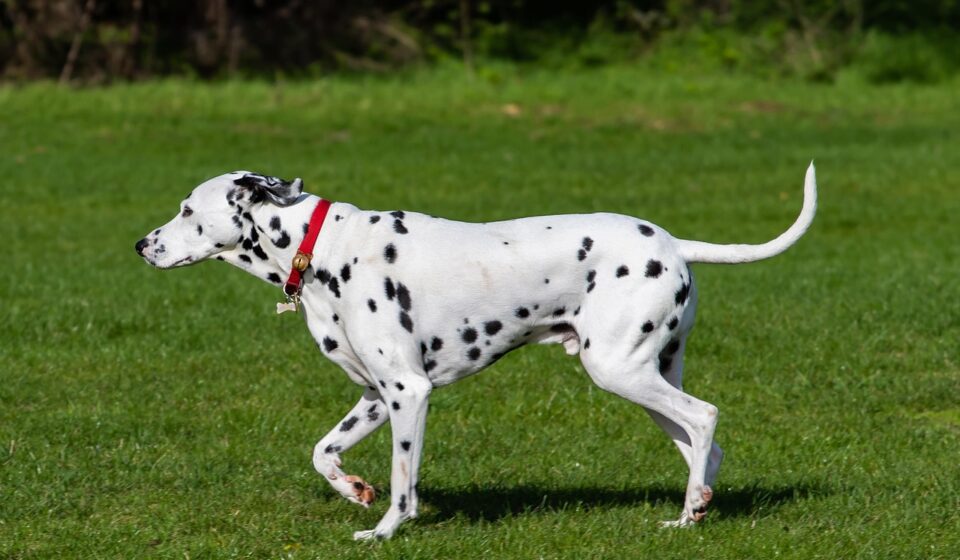
The appearance of a Dalmatian mix can be striking. While many will sport the Dalmatian’s characteristic spots, the size, shape, and colour of these spots, along with the overall coat colour and texture, will be influenced by the other parent breed. Some mix might have a solid coat with just a few ticking marks, while others could have a dappled or merle pattern if one parent carries those genes.
Understanding Dalmatian Mix Temperament and Behaviour
The Dalmatian’s temperament is often described as playful, outgoing, and sometimes stubborn. When mixed with other breeds, these traits can be amplified, softened, or combined in surprising ways. A Dalmatian mix may exhibit the loyalty and protective nature of a breed like a German Shepherd, or the boundless enthusiasm and sociability of a Golden Retriever.
Early socialization is paramount for any Dalmatian mix. Exposing puppies to a variety of sights, sounds, people, and other animals from a young age helps them develop into well-adjusted adults. Without proper socialization, they can become wary or overly boisterous. Their intelligence means they can learn quickly, but this also means they can pick up bad habits just as easily if not guided correctly. Worth noting, some Dalmatians can be sensitive to loud noises, and this trait may carry over into their mixes.
Exercise and Mental Stimulation Needs
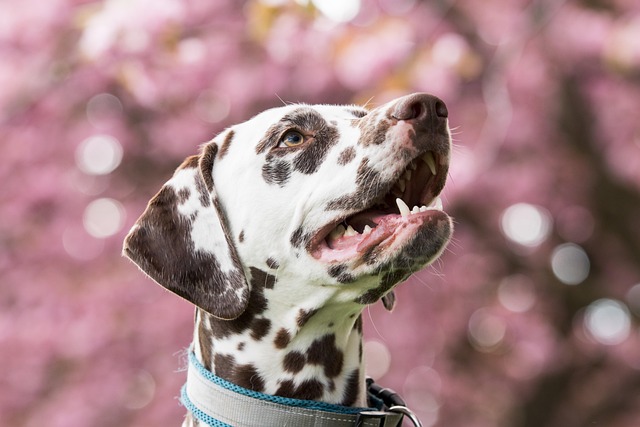
Dalmatians are renowned for their high energy levels and stamina, a trait that’s very likely to be passed on to their mixes. Expect a Dalmatian mix to require a significant amount of daily exercise to stay happy and healthy. This typically means at least 60–90 minutes of vigorous activity per day, which could include brisk walks, runs, games of fetch, or canine sports like agility.
Beyond physical exercise, these intelligent dogs also need substantial mental stimulation. Without it, they can become bored, leading to destructive behaviours such as chewing furniture or excessive barking. Puzzle toys, training sessions, scent work, and interactive games are excellent ways to keep their minds engaged. A bored Dalmatian mix is rarely a happy Dalmatian mix.
Consider the energy level of the other parent breed. If it’s also a high-energy breed, your Dalmatian mix will likely be a canine athlete requiring a very active owner. If the other parent breed is more laid-back, the resulting energy level might be more moderate, but it’s always best to err on the side of caution and prepare for a dog with substantial exercise needs.
Grooming and Coat Care for Spotted Companions
The grooming requirements for a Dalmatian mix will largely depend on the coat type inherited from the non-Dalmatian parent. A standard short-haired Dalmatian coat is relatively easy to manage, typically requiring weekly brushing to remove loose hair and keep the coat healthy. However, some mixes might inherit longer, thicker, or curlier coats that need more frequent attention.
Regardless of coat type, Dalmatians and their mixes are known for shedding. Regular brushing is key to managing this. Using a deshedding tool or a slicker brush a few times a week can significantly reduce the amount of hair around your home. Nail trims, ear cleaning, and occasional baths as needed will complete their grooming routine.
A wrinkle here: some Dalmatian mixes might inherit a double coat, which means more intense shedding seasons twice a year. If you’re considering a mix with a breed known for a dense undercoat, be prepared for extra grooming efforts during these periods. It’s wise to research the coat characteristics of the specific breed you’re mixing with your Dalmatian.
Key Health Considerations for Dalmatian Mixes
While hybrid vigor can sometimes reduce the risk of certain genetic conditions, Dalmatian mixes can still inherit health issues from either parent breed. Understanding these potential concerns is vital for responsible ownership.
Dalmatians themselves are predisposed to several health problems, most notably deafness and urinary stones (bladder stones). According to the Orthopedic Foundation for Animals (OFA), approximately 5-8% of Dalmatians are born deaf in one or both ears, and they have a unique purine metabolism that makes them highly susceptible to uric acid bladder stones. These are critical conditions to be aware of when considering a Dalmatian mix.
Other potential health concerns that may be passed down include hip dysplasia (common in many larger breeds), eye conditions like cataracts or progressive retinal atrophy, and various skin allergies or sensitivities. If you’re purchasing a puppy from a breeder, ensure they conduct health screenings on the parent dogs for conditions relevant to both breeds.
For puppies, especially those mixed with breeds prone to deafness, early hearing tests are highly recommended. If your Dalmatian mix shows signs of urinary issues, such as straining to urinate or blood in the urine, consult your veterinarian immediately, as this can be a life-threatening emergency. Careful observation and prompt veterinary care are your best tools for managing the health of a Dalmatian mix.
Training Your Dalmatian Mix: Strategies for Success
Training a Dalmatian mix requires patience, consistency, and positive reinforcement. Their intelligence means they can grasp commands quickly, but their independent streak, inherited from the Dalmatian side, means they might not always comply immediately. Start training as early as possible, ideally when they are puppies.
Positive reinforcement methods, such as using treats, praise, and play as rewards, are most effective. Harsh corrections can be counterproductive and may lead to fear or aggression. Focus on making training sessions fun and engaging. Consistency is key; ensure all family members are on the same page with commands and rules.
Given the potential for high energy and intelligence, engaging your Dalmatian mix in activities that challenge them mentally and physically is crucial. Consider enrolling in obedience classes, agility training, or even scent work. These activities not only help with training but also strengthen your bond with your dog and provide an outlet for their natural instincts.
Finding Your Dalmatian Mix: Adoption vs. Reputable Breeders
Deciding where to find your Dalmatian mix is a significant step. Both adoption and purchasing from a reputable breeder have their pros and cons.
Many animal shelters and breed-specific rescues have Dalmatians and Dalmatian mixes available for adoption. Adopting a dog can be incredibly rewarding, giving a deserving animal a second chance at a loving home. You’ll often find that adult dogs are already house-trained and may have a more predictable temperament. Rescue organisations can also provide valuable insights into a dog’s known history and personality.
If you opt for a breeder, it’s essential to find one who is reputable and ethical. A good breeder will be knowledgeable about the breed(s) they work with, screen their dogs for genetic health issues, provide health clearances for the parents, and allow you to meet the mother dog. They should also be transparent about the potential health risks and temperament of the mix. Be wary of breeders who can’t provide health clearances, seem more interested in making a sale than in the well-being of the puppies, or who breed multiple different types of dogs.
The Cost of Ownership: What to Budget for in 2026
Owning any dog involves costs, and a Dalmatian mix is no exception. As of June 2026, it’s wise to budget for initial expenses, ongoing care, and potential veterinary emergencies. The purchase price or adoption fee can range significantly. From a reputable breeder, a Dalmatian mix puppy might cost anywhere from £800 to £2,500, depending on the other parent breed and the breeder’s reputation. Adoption fees from shelters or rescues are typically much lower, often ranging from £100 to £400.
Ongoing costs include high-quality food, regular veterinary check-ups (expect to pay around £50-£100 per visit), vaccinations, flea and worming treatments, grooming supplies, toys, bedding, and training classes. Food costs for a medium to large-sized dog can easily add up to £40-£80 per month. Professional grooming, if required, can add another £50-£100 per month depending on the coat complexity and frequency.
Beyond routine care, pet insurance is highly recommended for Dalmatian mixes, especially given their potential for inherited health issues. Premiums can vary but expect to pay around £20-£60 per month for a policy that covers accidents and illnesses. Emergency veterinary care for conditions like bladder stones or significant injuries can run into hundreds or even thousands of pounds, so having a financial safety net or insurance is crucial.

Frequently Asked Questions
Are Dalmatian mixes good family dogs?
Dalmatian mixes can be excellent family dogs, provided they receive early socialization and consistent training. Their energy levels and playful nature often make them great companions for active families with older children. However, their strength and exuberance mean they may be too boisterous for very young children without supervision.
Do Dalmatian mixes shed a lot?
Yes, most Dalmatian mixes tend to shed a fair amount, especially if they inherit the Dalmatian’s short, dense coat. Regular brushing can help manage shedding, but expect some level of hair in your home year-round, with increased shedding during seasonal changes.
What is the average lifespan of a Dalmatian mix?
The average lifespan for a Dalmatian mix typically falls between 10 to 14 years, though this can vary significantly based on genetics, diet, exercise, and overall health care. Mixes with larger parent breeds might have slightly shorter lifespans.
Are Dalmatian mixes prone to deafness?
Dalmatians have a higher incidence of deafness than many other breeds. This trait can be passed on to their mixes, so it’s important to have puppies tested for hearing ability and to be aware of the signs of deafness.
How much training does a Dalmatian mix require?
Dalmatian mixes are intelligent but can be independent. They require consistent, positive reinforcement training and early socialization. Training should focus on obedience, impulse control, and social manners to manage their energy and intelligence effectively.
Are Dalmatian mixes good for first-time dog owners?
While possible, Dalmatian mixes are generally not recommended for first-time owners unless the owner is prepared for the breed’s high energy, potential stubbornness, and need for extensive socialization and training. Experienced owners who can provide structure and activity are often a better fit.
Last reviewed: June 2026. Information current as of publication; pricing and product details may change.
Editorial Note: This article was researched and written by the Pet Magazine editorial team. We fact-check our content and update it regularly. For questions or corrections, contact us.