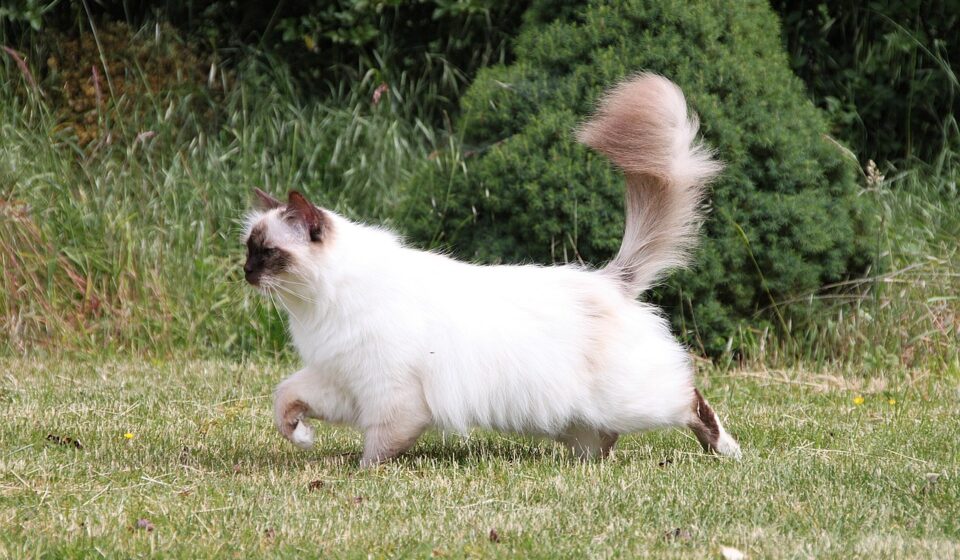
Demystifying Cat Breeds: More Than Just a Pretty Face
A common question for prospective cat owners is, “What cat breed is right for me?” As of July 2026, the world of domestic cat breeds offers an astonishing array of choices, from the famously affectionate Rag doll to the sleek, nearly hairless Sphinx. While every cat is an individual, understanding breed characteristics can significantly increase your chances of finding a feline companion whose personality, energy levels, and care requirements align with your lifestyle. This isn’t just about aesthetics; it’s about forging a lasting bond based on mutual understanding.
Last updated: August 23, 2026
The diversity we see today is a testament to selective breeding over centuries, creating distinct looks and temperaments. While many cats are delightful mixed breeds (often called Domestic Short hairs or Longhairs), exploring purebred options can offer predictability in terms of size, coat type, and behaviour. Each breed carries a unique set of traits, some of which are more demanding than others, making informed choices vital.
Key Takeaways
- Breed characteristics provide predictable traits in temperament, size, and coat care, aiding in choosing the right feline companion.
- While purebreds offer consistency, mixed-breed cats are equally loving and often possess strong health due to genetic diversity.
- Consider your lifestyle, living space, and time commitment when selecting a cat breed; energy levels and grooming needs vary significantly.
- Responsible sourcing from reputable breeders or shelters is crucial to ensure the health and ethical treatment of cats.
- As of 2026, major cat registries recognise dozens of breeds, each with unique standards and histories.
Purebreds vs. Mixed Breeds: A Matter of Predictability and Diversity
The world of feline companionship often sparks a debate: is a purebred cat superior to a mixed breed? The reality is, both offer incredible love and companionship, but they differ in predictability. Purebred cats, recognised by organisations like The International Cat Association (TICA) or The Cat Fanciers’ Association (CFA), adhere to specific breed standards. This means a Siamese, for instance, is generally expected to be vocal, social, and intelligent, much like its ancestors.
Mixed-breed cats, often referred to as ‘doggies’ or Domestic Short hairs/Longhairs, are the most common type of cat. Their genetic heritage is a rich tapestry, which can often translate to fewer inherited health issues due to hybrid vigor. While their temperaments can be more varied and harder to predict, they are no less affectionate or capable of forming deep bonds. For many, the unique charm and individuality of a mixed-breed cat is precisely what draws them in.
Exploring Popular Cat Breeds: What to Expect in 2026
As of July 2026, certain cat breeds consistently capture hearts with their distinctive personalities and looks. The Rag doll, known for its docile nature and tendency to go limp when picked up, is a top choice for families. Maine Coons, gentle giants of the cat world, are also incredibly popular for their friendly disposition and impressive size.
On the more energetic side, the Abyssinian is a curious and playful breed that thrives on interaction and exploration. For those seeking a striking appearance, the Siamese is renowned for its almond-shaped blue eyes, wedge-shaped head, and vocal nature. The British Short hair offers a more laid-back, dignified presence with its dense coat and round face, making it a calm, steady companion.
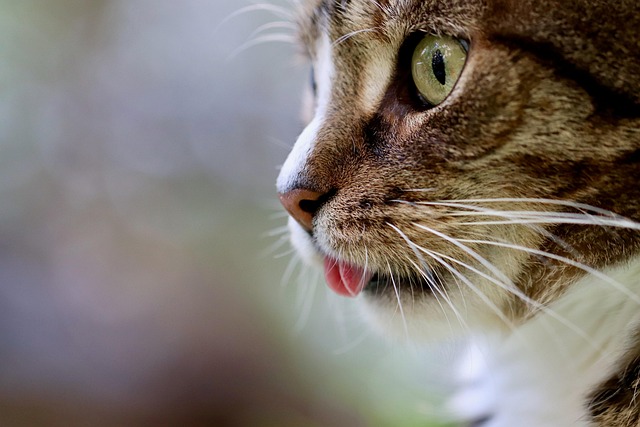
Beyond the Common: Specialty and Rare Cat Breeds
For those looking for something truly unique, the world of specialty and rare cat breeds is fascinating. The Sphinx, often misunderstood as ‘hairless’, actually has a fine downy fuzz and requires regular skin care. They are known for being exceptionally social and attention-seeking. The Bengal, with its wild leopard-like markings, is an active and intelligent breed that enjoys climbing and playing.
The Russian Blue is celebrated for its shimmering silver-blue coat and quiet, gentle demeanour, often preferring a calm environment. Then there’s the Scottish Fold, easily identifiable by its distinctive folded ears, a trait that requires careful monitoring for potential health issues related to the gene causing the fold. These breeds, while less common, offer unique experiences for dedicated owners.
Hypoallergenic Cat Breeds: Managing Allergies
The concept of a truly hypoallergenic cat is largely a myth. All cats produce allergens, primarily in their saliva and skin glands. However, some breeds produce fewer of the Fel d 1 protein that causes allergic reactions. Breeds like the Siberian, Balinese, and Russian Blue are often cited as being better tolerated by allergy sufferers.
remember that individual reactions vary greatly. Someone allergic to cats might find they can tolerate one Siberian but not another, or even one specific cat within a ‘hypoallergenic’ breed. Spending time with a cat before committing is the best way to gauge your personal allergic response. According to the Asthma and Allergy Foundation of America (AAFA) as of 2026, while no cat is 100% hypoallergenic, certain breeds may reduce symptom severity for some individuals.
Choosing Wisely: Factors Beyond Breed Name
Selecting a cat breed demands introspection about your own circumstances. Consider your living space: a large, energetic breed like a Bengal might feel cramped in a small city apartment, whereas a more sedentary breed like a Persian might be perfectly content. Your lifestyle is equally critical. Do you work long hours away from home? A highly social breed that craves constant attention, like a Siamese or an Oriental Short hair, might not be the best fit.
Grooming is another significant factor. Long-haired breeds such as the Persian or Norwegian Forest Cat require daily brushing to prevent mats and tangles. Short-haired breeds generally need less intensive grooming, perhaps a weekly brush. Energy levels are paramount; a highly active cat will need more playtime and stimulation to prevent boredom and destructive behaviours. A cat’s inherent predisposition needs to align with the amount of time and effort you can realistically dedicate.
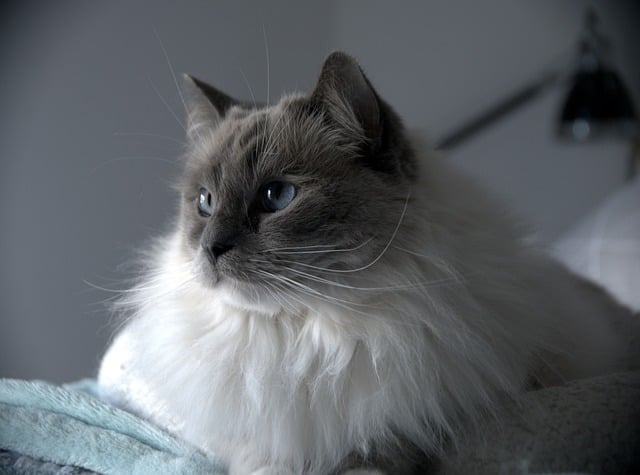
Temperament and Socialization: Nurturing Your Feline Friend
While breed predispositions offer a general guide, a cat’s individual temperament is shaped by a complex interplay of genetics and environment. Early socialization, particularly during the critical window between 2 and 7 weeks of age, plays a vital role in developing a well-adjusted cat. Kittens exposed to various sights, sounds, gentle handling, and different people during this period are more likely to become confident and friendly adults.
Even within a single breed, you’ll find a spectrum of personalities. Some cats are naturally more aloof, while others are lap cats through and through. Responsible breeders prioritise socialization and health checks, and shelters often provide valuable insights into a cat’s known personality. Remember, a cat’s environment post-adoption – the love, attention, and stimulation it receives – will profoundly influence itbehaviorur throughout its life.
Responsible Sourcing: Finding Your Next Companion Ethically
When deciding to bring a new cat into your life, choosing where you acquire them is paramount. Shelters and rescue organisations are wonderful places to find cats of all breeds and mixes, often already spayed/neutered and vaccinated. They can also provide crucial information about a cat’s known history and personality.
If you are set on a specific purebred cat, seek out reputable breeders. A good breeder will be knowledgeable about their breed, health test their breeding cats for genetic conditions, be transparent about their practices, and welcome your questions. They will also likely have a waiting list and will want to screen you as a potential owner. Avoid breeders who have multiple litters available at all times, seem uninterested in the cat’s welfare, or can’t provide health clearances. As of 2026, organisations like the World Small Animal Veterinary Association (WSAVA) continue to advocate for responsible breeding practices globally, emphasizing health and welfare over profit.
Common Cat Breed Myths Debunked
One persistent myth is that purebred cats are inherently more prone to health problems than mixed breeds. While some purebreds do have specific genetic predispositions (like the heart condition hypertrophic cardiomyopathy in Maine Coons or Rag dolls), responsible breeders actively screen for these conditions. Many mixed-breed cats can also develop health issues. The key is responsible breeding and good veterinary care, regardless of breed.
Another misconception is that certain breeds are inherently aggressive or difficult. While breed tendencies exist, a cat’s upbringing and environment play a far greater role in shaping its behaviour. A well-socialized kitten from any breed, raised in a loving home, is likely to be a well-adjusted pet. Conversely, a poorly socialised purebred or mixed-breed cat can develop behavioural issues.
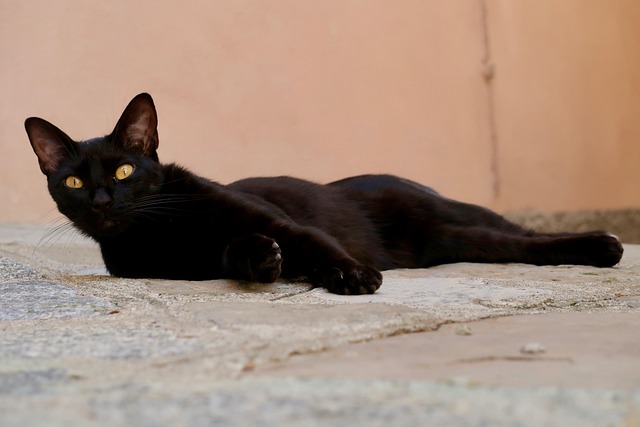
Expert Insights for Choosing Your Feline Friend
From my years working with feline behaviorists and rescue organisations, I’ve learned that the most successful cat-owner matches happen when expectations align with reality. Don’t choose a breed solely based on looks. A visually stunning Sphinx, for example, requires significant skin care and can be prone to feeling cold, needing extra attention in cooler climates. An active breed like a Bengal needs extensive environmental enrichment and play to prevent them from becoming bored and destructive.
For first-time cat owners, breeds known for their adaptability and forgiving nature, such as the American Short hair or the Rag doll, are often excellent choices. They tend to be more tolerant of minor training lapses and have moderate energy levels. Always remember that a cat’s individual personality will shine through, regardless of its breed. The goal is to find a cat whose inherent traits complement your life, and whose needs you can lovingly meet.
How many cat breeds are there?
As of July 2026, major cat registries worldwide recognise a varying number of breeds. For example, The International Cat Association (TICA) acknowledges 75 breeds, while The Cat Fanciers’ Association (CFA) recognizes 45. This variation is due to different registration standards and classifications among organisations.
Are purebred cats healthier than mixed breeds?
It’s not a simple yes or no. Purebred cats can have specific genetic predispositions due to limited gene pools, but responsible breeders screen for these. Mixed-breed cats often benefit from hybrid vigor, potentially having fewer inherited health issues. Ultimately, health depends on genetics, breeding practices, and overall care for any cat.
Which cat breed is best for apartments?
Many breeds adapt well to apartment living if their needs for stimulation and play are met. Generally, less active or smaller breeds are suitable. The Persian, Rag doll, British Short hair, and American Shorthair are often good choices due to their adaptable and generally calmer temperaments.
How do I choose a cat breed?
Consider your lifestyle, living space, and time commitment. Research breed temperaments, energy levels, and grooming needs. Spend time with potential cats, whether at a breeder or shelter, to assess their individual personality. Prioritise health and responsible sourcing over appearance alone.
What are ‘hypoallergenic’ cat breeds?
No cat is truly hypoallergenic, as all produce allergens. However, breeds like the Siberian, Balinese, and Russian Blue produce fewer allergens and may be better tolerated by some allergy sufferers. Individual reactions vary significantly, so spending time with a cat before adoption is recommended.
How much do cat breeds cost?
The cost of a cat breed varies widely. Purebred kittens from reputable breeders can range from £700 to £2,000 or more, depending on the breed, lineage, and breeder’s reputation. Mixed-breed cats from shelters or rescues are typically much more affordable, often costing £50 to £150, which usually includes initial vaccinations and spaying/neutering.
What is the most popular cat breed in 2026?
While popularity can fluctuate, breeds like the Rag doll, Maine Coon, and British Shorthair consistently rank among the most popular globally as of July 2026. Their affectionate natures, family-friendly temperaments, and distinct appearances contribute to their widespread appeal among cat enthusiasts.
Information current as of July 2026; pricing and product details may change.
Related read: Hoppy Humour: The Best Rabbit Jokes for a Giggle in 2026
Frequently Asked Questions
What is cat breeds?
cat breeds is a topic that many people search for.
Why does cat breeds matter?
Understanding cat breeds helps you make better decisions. Whether you’re a beginner or have some experience, staying informed on this topic is genuinely useful.
Where can I learn more about cat breeds?
We recommend checking authoritative sources and official websites for the most current information.
Source: Britannica
Editorial Note: This article was researched and written by the Pet Magazine editorial team. We fact-check our content and update it regularly. For questions or corrections, contact us.
Related read: Can Cats Have Cinnamon? What You Need to Know 2026
Related read: Best Cat Water Fountains 2026: Hydration Your Feline Friend Will Love.
Related read: The Persian Cat: A Gentle Companion's Guide.