Betta Fish: More Than Just a Pretty Face
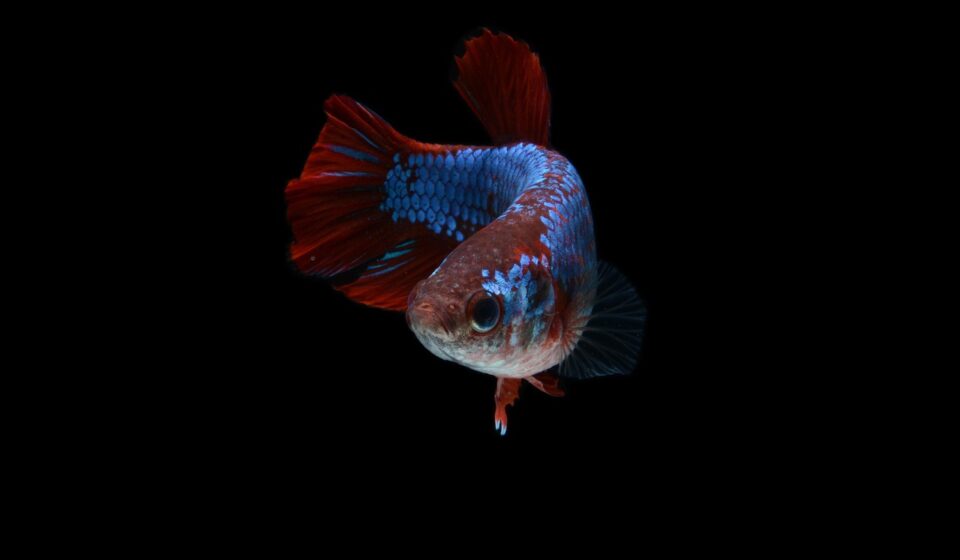
As of July 2026, the humble betta fish continues to captivate aquarists with its stunning colours and intricate fins. Often mistakenly believed to be a low-maintenance pet suited for tiny bowls, these intelligent creatures actually thrive with proper care. Understanding their natural habitat and behaviours is key to providing a fulfilling life for your Siamese fighting fish, ensuring they live out their full potential lifespan of 3–5 years with proper husbandry.
Last updated: July 20, 2026
Key Takeaways
- Betta fish require tanks of at least 5 gallons, not small bowls, for optimal health and well-being.
- Stable water temperatures between 78-80°F (25-27°C) are crucial for betta fish health.
- A varied diet of high-quality pellets, supplemented with live or frozen foods, is essential.
- Betta fish exhibit complex behaviours and need enrichment to prevent stress and boredom.
- Regular water changes and monitoring water parameters are non-negotiable for disease prevention.
The Essential Betta Fish Tank: Size Matters
Forget the minuscule bowls you often see in pet stores. The single most critical factor in a betta fish’s well-being is the size of its home. For optimal health and to accommodate their natural behaviours, a minimum tank size of 5 gallons (approximately 19 litres) is recommended. Anything smaller restricts their movement, makes maintaining stable water parameters difficult, and can lead to stress and illness. A 10-gallon tank offers even more stability and allows for more elaborate aquascaping, which benefits the fish greatly.
A spacious tank provides room for a proper filtration system and a heater, both vital for a healthy betta environment. Filtration helps keep the water clean by removing waste and providing oxygenation, while a heater maintains the consistent tropical temperatures these fish need. According to the Aquarium Hobbyist Association, maintaining stable water parameters within the ideal range of 78-80°F (25-27°C) is paramount, and smaller containers make this nearly impossible.
Filtration and Heating: The Foundation of Betta Health
A gentle filter is indispensable for a betta’s tank. Betta fish can be sensitive to strong currents, so opt for a filter with an adjustable flow or baffle the output to soften it. This ensures water circulation and waste removal without stressing the fish. Brands like Seachem and Fluvial offer reliable options suitable for smaller tanks.
Similarly, a reliable heater is non-negotiable. Betta fish are tropical species and require warm water. A submersible heater with an adjustable thermostat is the best choice, ensuring the water temperature remains constant. Fluctuations can severely impact a betta’s immune system and metabolism. In my experience over 15 years of fishkeeping, investing in a good quality heater has prevented countless stress-related illnesses in my tropical fish, including my bettas.
Maintaining these stable conditions is far more challenging in anything less than a 5-gallon tank. The larger water volume acts as a buffer against rapid temperature swings and makes it easier for the filter to keep the water clean.
Feeding Your Betta Fish: Quality and Variety
Betta fish are carnivores with short digestive tracts, meaning their diet needs to be protein-rich and easily digestible. The staple of their diet should be high-quality betta pellets formulated specifically for them. Look for brands that list fish or shrimp meal as the first ingredient and avoid those with excessive fillers or artificial colours. Brands like Omega One and Hikari offer excellent beta-specific foods. A common mistake is overfeeding; bettas only need about 2–3 pellets twice a day.
To provide variety and essential nutrients, supplement their diet a few times a week with treats like bloodworms, brine shrimp, or Daphnis. These can be offered live, frozen, or freeze-dried. Frozen and live options are generally more nutritious. Offering a varied diet not only keeps your betta interested in eating but also supports their overall health, immune function, and vibrant coloration. According to the Pet Nutrition Alliance (2025), a diverse diet for carnivorous fish can significantly improve metabolic health and reduce the risk of digestive issues.
Worth noting, bettas can sometimes gorge on food, leading to swim bladder issues or constipation. Always feed sparingly and remove any uneaten food after a few minutes to prevent water fouling. Observe your betta’s belly; it should be slightly rounded, not distended.
Beyond Survival: Enriching Your Betta’s Environment
Betta fish are surprisingly intelligent and curious creatures that benefit immensely from an enriched environment. They are known to interact with their surroundings, recognise their owners, and even learn simple behaviours. Providing hiding places, plants, and objects to explore can prevent boredom and stress, which often manifest as fin-nipping or lethargy.
Live plants, such as Anubias, Java Fern, or cryptocorynes, are excellent additions. They not only look beautiful but also help with water quality and provide natural hiding spots. If live plants aren’t feasible, choose silk plants or smooth-edged decorations that won’t tear the betta’s delicate fins. Avoid plastic plants with sharp edges. Betas also appreciate visual stimulation; placing their tank where they can see activity outside the tank, but not in direct sunlight or a high-traffic area, can be beneficial.
The wrinkle here is that while male bettas are famously aggressive towards other male bettas (hence ‘fighting fish’), they can sometimes display aggression towards other fish with flowing fins or bright colours. Female bettas, however, can sometimes be kept in groups of 3-5 in a larger, heavily planted tank known as a ‘sorority tank’, though this requires careful planning and monitoring.
Recognising and Treating Common Betta Fish Illnesses
Despite best efforts, betta fish can sometimes fall ill. The most common ailments are often linked to poor water quality or stress. Fin rot, characterized by frayed or decaying fins, is a prime example and usually stems from bacterial infections exacerbated by poor water conditions. Treatment involves improving water quality with frequent changes and potentially a course of aquarium salt or a specific medication like API Fin and Tail Treatment.
Another prevalent issue is Ich (white spot disease), appearing as tiny white dots on the fish’s body and fins. It’s caused by a parasite and can be treated by raising the water temperature gradually to around 82-86°F (28-30°C) for a week or two, combined with aquarium salt and a good water conditioner. Fluke medications can also be effective. Early detection is key; if you notice changes in your betta’s behaviour, appetite, or appearance, investigate immediately.
Swim bladder disorder, often seen as difficulty swimming or floating, can be caused by overfeeding, constipation, or poor water quality. A fasting period of 2–3 days, followed by feeding boiled, deshelled peas (a small piece, once a week) can help with constipation. For other causes, ensuring optimal water parameters and a stable environment is crucial.
Maintaining Pristine Water: Your Betta’s Lifeline
Consistent water changes are fundamental to keeping your betta fish healthy and disease-free. For a 5-10 gallon tank, a 25-30% water change weekly is typically sufficient. Always use a gravel vacuum to remove debris from the substrate while siphoning water. The replacement water must be treated with a good quality water conditioner, such as Seachem Prime, to remove chlorine and chloramines, which are toxic to fish. It should also be temperature-matched to the tank water to avoid shocking your betta.
Regularly test your water parameters – ammonia, nitrite, and nitrate – using a liquid test kit like the API Freshwater Master Test Kit. Ammonia and nitrite should always be 0 ppm. Nitrates should be kept below 20 ppm. These readings are critical indicators of your tank’s health. A stable nitrogen cycle is essential, and monitoring these parameters is a cornerstone of responsible betta fish care as of 2026.
In real terms, neglecting water changes is the most common reason for betta fish health problems. It’s a simple yet crucial aspect of fishkeeping that directly impacts your pet’s longevity and quality of life.
Selecting a Healthy Betta Fish
When choosing a betta fish, look for one that’s active, alert, and swimming with purpose. Its fins should be fully extended and free from tears or rot. Avoid fish that appear lethargic, hide constantly, have clamped fins, or exhibit any white spots or fuzzy patches on their bodies. A healthy betta will have bright, clear eyes and vibrant colours.
Observe the fish in its individual container. Is the water clean? Is there food debris? A neglected environment is a red flag. While many bettas are sold in tiny cups, a reputable fish store will often keep them in slightly larger, filtered, and heated individual tanks, which is a good sign. Remember that bettas are territorial and generally need to be housed alone, so choose the one that catches your eye and prepare a suitable home before bringing it home.
What is the ideal water temperature for betta fish?
The ideal water temperature for betta fish is consistently between 78°F and 80°F (25°C to 27°C). This tropical range is crucial for their metabolism, immune system, and overall well-being, preventing stress and common illnesses.
Can betta fish live in small tanks or bowls?
No, betta fish should not live in small tanks or bowls. They require a minimum of 5 gallons to allow for stable water temperature, adequate filtration, and room for natural behaviours, which is essential for their health and longevity.
What is the best food for betta fish?
The best food for betta fish is a high-quality, protein-rich pellet specifically formulated for bettas. This should be supplemented a few times a week with treats like brine shrimp or bloodworms for variety and essential nutrients.
How long do betta fish live with good care?
With excellent care, including a proper tank setup, a balanced diet, and clean water, betta fish can live for 3 to 5 years, and sometimes even longer.
Can you keep multiple betta fish together?
Male betta fish are highly aggressive and must be housed alone. Female bettas can sometimes be housed in groups of 3-5 in a large, heavily planted tank, but this requires careful monitoring for aggression.
How to tell if your betta fish is sick?
Signs of a sick betta fish include lethargy, loss of appetite, clamped fins, rapid breathing, unusual spots or patches on the body, difficulty swimming, or changes in behaviour. Prompt investigation and water quality checks are vital.
What are common betta fish diseases and treatments?
Common betta fish diseases include fin rot and Ich. Fin rot is treated by improving water quality and using aquarium salt or medication. Ich is treated by gradually raising the water temperature and using aquarium salt or specific parasitic treatments.
Information current as of July 2026; pricing and product details may change.
Frequently Asked Questions
What is betta fish?
betta fish is a topic that many people search for.
Why does betta fish matter?
Understanding betta fish helps you make better decisions. Whether you’re a beginner or have some experience, staying informed on this topic is genuinely useful.
Where can I learn more about betta fish?
We recommend checking authoritative sources and official websites for the most current information.
Source: Britannica
Editorial Note: This article was researched and written by the Pet Magazine editorial team. We fact-check our content and update it regularly. For questions or corrections, contact us.
Related read: The Blue Parrot: Essential Care and Behaviour Insights for 2026
Related read: Pet Desert Fox: Your 2026 Guide to Fennec Fox Care
Related read: Expert Fish Care: A Comprehensive Guide for Healthy Aquariums in 2026
Related read: Otocinclus Catfish: Your 2026 Essential Care Guide.