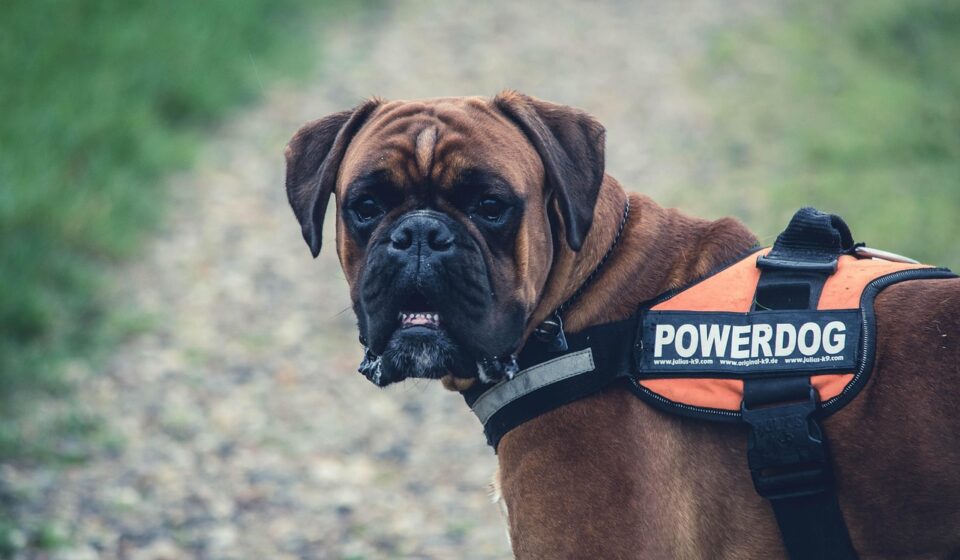
The Real Definition of Canine Strength
When people ask what’s the strongest dog in the world, they often picture a hulking brute with immense muscle mass. While physical power is certainly a factor, true canine strength is a complex trait. It encompasses not just raw muscle, but also endurance, bite force, and a dog’s ability to perform specific tasks, whether that’s pulling a sled, guarding livestock, or even just offering unwavering companionship. I’ve found that understanding these different dimensions is key to appreciating these incredible animals.
- Canine strength involves more than just muscle; it includes endurance, bite force, and task-specific abilities.
- Breeds like the Kangal, Rottweiler, and Cane Corso are consistently ranked among the strongest due to their power and temperament.
- A dog’s environment, training, and health play crucial roles in its overall strength and capability.
- Responsible ownership is paramount when considering a powerful breed, requiring commitment to training and socialisation.
- Strength in dogs is best viewed as a combination of physical prowess and their suitability for specific roles or family life.
Beyond the Biceps: What Makes a Dog Strong?
So, what exactly makes a dog strong? It’s not just about having the largest muscles. I’ve learned that a combination of factors contributes to a dog’s overall power. Bite force, for instance, is a critical measure for many working breeds. According to the American Veterinary Medical Association (AVMA) (2023), bite force varies significantly between breeds, influenced by jaw structure, muscle mass, and skull shape.
Then there’s pulling power. Breeds developed for tasks like sled pulling or carting possess incredible stamina and the musculoskeletal structure to exert sustained force. Think of the sheer endurance of a Siberian Husky on a long trek, or the determined strength of a Newfoundland in water rescue. These dogs aren’t just strong in a single burst; they have the resilience to perform demanding jobs for extended periods.
Temperament also plays a role. A dog that’s confident, focused, and trainable can often exert more effective power than one that’s easily distracted or anxious. Their mental fortitude allows them to apply their physical capabilities purposefully. This is why, for example, breeds like the Kangal, known for its guarding instincts and formidable presence, are often cited as incredibly strong.
The Powerhouse Breeds: Top Contenders
When we talk about the strongest dog breeds, certain names consistently appear at the top of most lists. These breeds have been selectively bred for centuries for specific purposes, honing their physical attributes and inherent strength.
The Kangal Shepherd Dog from Turkey is frequently cited as one of the world’s most powerful dogs. Bred to protect livestock from predators like wolves and lions, they possess immense strength, speed, and a formidable bite. Their protective instincts are coupled with a calm, controlled demeanour when not on duty.
The Rottweiler is another breed renowned for its power and versatility. Originally used for driving cattle and later as guard dogs, Rottweilers have a solid build, incredible strength, and a confident presence. Their loyalty and intelligence make them excellent working partners and family protectors, provided they receive proper training and socialisation.
The Cane Corso, an Italian mastiff breed, is also a significant contender. Bred as estate guardians and for hunting large game, they are large, powerful dogs with a deep bark and a serious protective instinct. Their imposing size and muscular build are undeniable indicators of their strength.
Other breeds frequently mentioned include the imposing Great Dane, known for its height and elegance but also surprising power; the massive Saint Bernard, historically used for alpine rescue; the intelligent and capable German Shepherd, a hallmark of police and military work; and the powerful Dogo Argentino, bred for big-game hunting.
Beyond Genetics: Environment and Training Matter
While genetics lay the foundation for a dog’s potential strength, it’s not the only factor. I’ve seen firsthand how crucial environmental factors and consistent training are in shaping a dog’s capabilities. A powerful breed, even with the best lineage, won’t reach its full potential if not given the right opportunities to develop and be guided.
Proper nutrition is fundamental. Just as athletes need the right fuel, strong breeds require a balanced diet to support muscle development and energy levels. According to the Merck Veterinary Manual (2022), nutritional deficiencies can significantly impact a dog’s growth, skeletal development, and overall health, thereby affecting their physical strength.
Training and socialisation are non-negotiable for powerful breeds. Early and consistent positive reinforcement training not only teaches obedience but also channels a dog’s natural strength and instincts constructively. Socialization, exposing the dog to various people, places, and other animals from a young age, ensures they are well-adjusted and can manage their power responsibly. Without this, even the most well-bred dog can become a danger.

Roles and Responsibilities: More Than Just Muscle
The strength of these breeds means they are often suited for specific roles. Historically, they were guardians, herders, hunters, and draft animals. Today, many still excel in these capacities, whether as working farm dogs, police K9s, search and rescue specialists, or even as loyal family protectors.
However, owning a strong dog comes with significant responsibilities. Potential owners must be prepared for the commitment involved. This includes providing adequate physical exercise, mental stimulation, consistent training, and secure containment. A large, powerful dog that’s bored or untrained can be destructive and poses a safety risk. I always advise prospective owners to thoroughly research a breed’s needs and assess their own lifestyle before bringing one home.
For example, a Kangal or a Caucasian Shepherd requires experienced handling and a secure environment. They need space to roam and a clear understanding of their role within the household. Similarly, a Rottweiler thrives with an owner who can provide leadership and consistent engagement. These are not breeds for the faint of heart or the inexperienced.
Measuring Canine Strength: Bite Force and Beyond
Quantifying a dog’s strength can be complex, as it depends on the metric used. Bite force is one of the most commonly discussed aspects. While exact figures can vary widely and are often debated, certain breeds are known for their powerful jaws. Studies, like those referenced by the Journal of Experimental Biology (2021), analyse the mechanics of canine bites, showing how jaw structure and muscle attachment points contribute to force.
Pulling power is another measurable aspect, often assessed in working dog competitions or historical contexts. Dogs bred for sledding, like the Alaskan Malamute, or draft work, like the Bernese Mountain Dog, demonstrate exceptional ability to move heavy loads over distance. This requires not just muscle, but also efficient biomechanics and incredible stamina.
Beyond these quantifiable measures, there’s the strength of their character. A dog’s courage, loyalty, and determination are forms of strength that are harder to measure but are equally important, especially in working roles or as family companions. A dog that remains steadfast in its duty or unwavering in its affection possesses a different, yet equally powerful, kind of strength.
Debunking Myths About Powerful Breeds
One common misconception is that strong dog breeds are inherently aggressive. While their power can make them more dangerous if they are poorly trained or socialised, aggression is not an inherent trait of strength. Many powerful breeds, such as the Great Dane or the Newfoundland, are known for their gentle disposition and love for their families. Their strength is a tool, and like any tool, its impact depends on the user and the training.
Another myth is that only large dogs can be strong. While size often correlates with brute force, smaller breeds can possess surprising strength and power relative to their size. Think of a Jack Russell Terrier‘s tenacity or a Doberman Pinscher’s agility and drive. Their strength is expressed differently but is no less significant in their respective roles.
Finally, the idea that a strong dog is difficult to manage is often overstated. With the right approach – consistent training, adequate exercise, and clear leadership – most powerful breeds can be well-behaved companions. The key is understanding their specific needs and committing to meeting them.
Practical Advice for Owners of Powerful Breeds
If you’re considering bringing a strong breed into your home, I have a few pieces of advice. Firstly, do your homework. Research breeds thoroughly, looking beyond just their strength to understand their temperament, exercise needs, grooming requirements, and potential health issues. Breeds like the Kangal or Caucasian Shepherd, for instance, are not suitable for first-time owners or apartment living.
Secondly, invest in professional training and socialisation. Start as early as possible. Enrolling in obedience classes is a must, and continuing education throughout the dog’s life is beneficial. I’d recommend finding a trainer experienced with large, powerful breeds. They can offer invaluable guidance tailored to your dog’s specific needs.
Thirdly, commit to providing adequate exercise and mental stimulation. A tired dog is a good dog. This means more than just a short walk around the block. Think long hikes, vigorous play sessions, puzzle toys, and even dog sports like agility or scent work. The American Kennel Club (AKC) (2026) provides extensive resources on breed-specific exercise needs and activity recommendations.
Finally, ensure you have the physical capacity and secure environment to manage a strong dog. This means a sturdy fence, a strong leash and collar, and the physical ability to handle a dog that could potentially pull with considerable force. Always supervise interactions with children and other animals, especially when the dog is young or if you’re unsure of its boundaries.
Frequently Asked Questions
What is the single strongest dog breed in the world?
While it’s debated, the Kangal Shepherd Dog is frequently cited as the world’s strongest dog due to its combination of immense size, power, and protective instincts developed over centuries.
Do strong dog breeds need more exercise?
Yes, most strong dog breeds, especially those bred for working roles, require significantly more physical and mental stimulation than average. This prevents boredom and destructive behaviours.
Are strong dog breeds good with children?
Many strong breeds, like the Saint Bernard or Great Dane, can be excellent with children when properly socialised and trained from a young age, displaying gentle and protective temperaments.
What is bite force measured in?
Bite force is typically measured in pounds per square inch (PSI), though exact figures for dogs can be difficult to ascertain and vary greatly by breed, individual, and measurement method.
Can a small dog be considered strong?
Yes, relative to their size, smaller breeds can exhibit remarkable strength, tenacity, and power, especially in specific tasks or activities like terrier work or agility.
Is strength the only factor in a dog’s power?
No, canine power also involves endurance, agility, intelligence, and temperament. A well-trained, mentally solid dog can be more effective than one relying solely on brute force.
Strength, Responsibility, and the Unwavering Canine Bond
Ultimately, the question of what’s the strongest dog in the world leads us to appreciate a spectrum of canine capabilities. While breeds like the Kangal, Rottweiler, and Cane Corso stand out for their sheer physical power, their true value lies in their potential as loyal companions, capable workers, and dedicated protectors when guided by responsible ownership. Understanding their unique strengths, needs, and the commitment they require is the most important step for anyone considering bringing one of these magnificent animals into their lives.
Source: Britannica
Related Articles
- Hamster Wheels: Beyond the Spin Cycle
- How Many Teeth Do Dogs Have? Puppy vs. Adult Sets
- Basset Hounds: Understanding Their Unique Needs