A Legacy Carved in Spirit and Steel
For centuries, the Marwari horse has been more than just an animal; it’s a symbol of royalty, bravery, and unparalleled resilience in the arid landscapes of Rajasthan, India. If you’re captivated by unique equine breeds, understanding the Marwari horse means delving into a history as rich as its coloring and a spirit as enduring as the desert itself. This breed, characterized by its striking inward-curving ears, offers a fascinating blend of aristocratic lineage and functional hardiness, making it a truly exceptional subject for any equestrian enthusiast.
Last updated: July 31, 2026
- The Marwari horse originated in the Marwar region of Rajasthan, India, bred by the Rathole rulers for warfare and nobility.
- Its most distinctive feature is its unique, inward-curving ears, which can touch each other.
- Barwares are known for their hardiness, loyalty, bravery, and a natural ambling gait suitable for long rides.
- While rare internationally, efforts are underway to preserve and promote the breed globally.
- Care involves understanding their specific nutritional needs, regular grooming, and appropriate exercise for their desert heritage.
The Rathole’s Noble Steed: A History Forged in Marwar
The story of the Marwari horse is inextricably linked to the Rathole dynasty, the traditional rulers of the Marwar region in northwestern India. Beginning as early as the 12th century, these rulers championed a strict breeding program focused on purity and exceptional hardiness, ideal traits for horses destined for the harsh desert climate and demanding roles in warfare. The breed, sometimes referred to as the Malani horse after the Marwari horse breeders of the Malani region, became the quintessential cavalry horse, renowned for its unwavering loyalty and remarkable courage on the battlefield.
During periods of conflict, the Marwari’s agility, stamina, and spirited temperament made it a formidable partner. Its ability to navigate difficult terrain and its deep bond with its rider were legendary. This historical significance as a warhorse has profoundly shaped the breed’s character and contributed to its esteemed status.
Beyond the Ears: Distinctive Marwari Traits
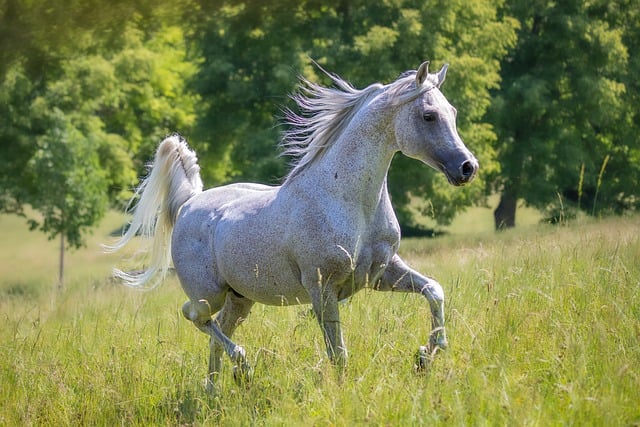
While the Marwari’s ears are its most recognizable and fascinating feature, capable of rotating 180 degrees and often touching at the tips, the breed possesses a suite of other defining characteristics. They typically stand between 13.2 and 15.2 hands high, exhibiting a well-proportioned build that balances strength with elegance. Their conformation often includes a refined head, a strong neck, a deep chest, and well-muscled hindquarters, all contributing to their athleticism.
Marwari horses are celebrated for their hardiness, a trait honed by centuries of selective breeding in the challenging desert environment. They possess exceptional stamina and are known to require less water and feed than many other breeds, a testament to their efficient metabolism. Many Barwares exhibit a natural ambling gait, known as a ‘rehal’ or ‘goonda’, which provides a smooth, comfortable ride over long distances, making them ideal for endurance riding and extended journeys.
The breed comes in virtually every equine colour, with bay, chestnut, gray, and roan being common. However, striking black, pinto (piebald and skewbald), and even golden dun variations are also found, adding to their visual appeal. According to a 2026 report by the Marwari Horse Society, the purity of bloodlines remains a significant focus for breed preservation.
A Spirit of Loyalty and Intelligence
The temperament of a Marwari horse is often described as intelligent, courageous, and exceptionally loyal. Their historical role as partners in warfare and as mounts for royalty has instilled in them a deep sense of devotion to their handlers. This loyalty, combined with their inherent intelligence, makes them highly trainable. They are known to form strong bonds with their riders, often displaying a keen desire to please.
While generally good-natured, their spirit requires a confident and consistent handler. Early socialization and training are crucial to channel their energy positively. In the hands of an experienced rider or trainer, a Marwari can excel in various equestrian disciplines, from endurance riding to dressage and even as a distinguished parade horse. A certain sensitivity balancs their spirited nature, making positive reinforcement methods particularly effective.
Essential Care for the Desert Dweller
Caring for a Marwari horse involves understanding their specific needs, which are influenced by their ancestral desert heritage. While they are known for their hardiness, proper management is still essential for their well-being. Diet is paramount; while they are efficient feeders, a balanced diet of high-quality hay, appropriate grains, and essential vitamins and minerals is crucial. Overfeeding, especially with rich concentrates, can lead to health issues like laminitis, a concern for any horse breed.
Regular grooming is important not only for maintaining the coat’s health and shine but also for checking for any skin irritations or injuries. Given their desert origins, they are relatively well-adapted to heat but require adequate hydration, especially during strenuous activity or hot weather. Clean, fresh water should always be available. Their hooves are typically tough, but regular farrier care is necessary to maintain their shape and health, preventing issues like cracks or imbalances.
Exercise should be tailored to their capabilities, focusing on activities that use their stamina and natural gait, such as long trail rides or endurance training. While they are hardy, they are not immune to common equine ailments, so routine veterinary check-ups and vaccinations are vital. As noted by The Vet Desk, early detection of health issues is key to successful treatment for any breed, including the Marwari.
Marwari vs. Kathiawar: A Tale of Two Indian Breeds
The Marwari horse shares a close relationship with the Kathiawar, another distinctive Indian breed from the Kathiawar peninsula of Gujarat. Both breeds are renowned for their unique, inward-curving ears, a trait that often leads to confusion. However, subtle differences exist. While both are hardy and possess a similar spirit, the Marwari is generally considered slightly larger and more powerfully built, reflecting its historical role as a warhorse designed for combat. The Kathiawar, on the other hand, is often described as more refined and perhaps more suited for lighter riding and endurance.
The Marwari’s lineage is strongly tied to the Rathole rulers of Marwar, whereas the Kathiawar’s development is more broadly associated with the Rajput clans of Gujarat. Both breeds have faced periods of decline and are subject to preservation efforts by dedicated societies. Understanding these nuances helps appreciate the distinct heritage and characteristics of each breed. For a deeper dive into comparative breed traits, consider resources from organizations like the Marwari Horses Society.
Preserving a Legacy: The Marwari in the 21st Century
In recent decades, the Marwari horse has experienced a resurgence in popularity, both within India and on the international stage. Organizations such as the Marwari Horses Society and the International Marwari Horse Association (IMHA) are dedicated to preserving the breed’s purity, promoting its awareness, and facilitating its global outreach. These efforts have been crucial in preventing the breed from fading into obscurity, a fate that threatened it in the mid-20th century due to poor breeding management practices.
Today, Marwari horses are appreciated not only for their historical significance but also for their exceptional qualities as riding and companion animals. They are increasingly found in equestrian events worldwide, captivating audiences with their beauty and spirited performance. While still considered rare outside of India, the breed’s unique charm and capabilities continue to attract enthusiasts, ensuring its legacy endures.
Frequently Asked Questions About Marwari Horses
What is the most distinctive feature of a Marwari horse?
The most distinctive feature of the Marwari horse is its unique inward-curving ears. These ears can rotate 180 degrees and often touch at the tips, giving the breed an unmistakable appearance.
Are Marwari horses good for beginners?
While Marwari horses are intelligent and loyal, their spirited nature and strength mean they are generally better suited for experienced riders. Beginners may find their energy and sensitivity challenging without professional guidance.
What is the average price of a Marwari horse?
The cost of a Marwari horse can vary significantly based on lineage, training, age, and location. Prices can range from approximately $2,600 for a young or less-proven animal to upwards of $30,000 for a top-quality horse with exceptional breeding and training, as reported by some equestrian sites.
Where did the Marwari horse originate?
The Marwari horse originated in the Marwar region of Rajasthan, in northwestern India. The Rathole rulers of historically bred it this arid region.
What is the temperament of a Marwari horse?
Marwari horses are known for their intelligence, courage, and exceptional loyalty. They form strong bonds with their riders and are eager to please, making them very trainable.
Are Marwari horses rare?
Yes, Marwari horses are considered a rare breed, particularly outside of India. Dedicated breed societies are working to increase their global presence and preserve bloodlines.
A Breed Worth Cherishing
The Marwari horse is a testament to the enduring spirit of Indian equestrian heritage. From its noble lineage as a warhorse to its distinctive physical attributes and loyal temperament, it embodies a unique blend of beauty, strength, and resilience. As preservation efforts continue, the Marwari horse stands poised to capture the admiration of equestrians worldwide, offering a glimpse into a rich history and a partnership built on courage and devotion.
Information current as of July 2026; pricing and product details may change.
Related read: The Spruce Pets: Your Guide to Comprehensive Pet Care Advice
Related read: Best Aquarium Fish for Beginners: Hardy & Rewarding