Embarking on Your Aquatic Journey: The Best Aquarium Fish for Beginners
Starting an aquarium is a wonderfully rewarding hobby, offering a slice of nature and a calming presence in your home. However, for the uninitiated, the sheer variety of fish and the complexities of tank maintenance can feel daunting. The key to a thriving first aquarium lies in selecting the right inhabitants – hardy, adaptable, and forgiving species that can withstand the inevitable learning curve of a new aquarist. Making informed choices early on will prevent common pitfalls and ensure your aquatic world flourishes.
Last updated: July 31, 2026
The best aquarium fish for beginners are those that possess resilience, adapt well to standard water conditions, and exhibit peaceful behaviour. These species typically tolerate minor fluctuations in water parameters, are less prone to disease, and coexist harmoniously with other suitable tank mates. By focusing on these traits, you significantly increase your chances of success and build confidence as you learn the ropes of fishkeeping.
- Beginner fish should be hardy, adaptable, and peaceful to tolerate learning curves.
- Species like Guppies, Neon Tetras, and Betta Fish are excellent choices for first-time aquarists.
- Proper tank cycling and stable water parameters are crucial, even for solid fish.
- Avoid overly sensitive or aggressive species until you gain more experience.
- Research compatibility and tank size requirements for any fish you consider.
Defining ‘Beginner-Friendly’: Key Traits to Look For
Not all fish are created equal when it comes to suitability for new aquarists. Beginner-friendly species generally share several key characteristics that make them forgiving of common mistakes. These include solid health, a wide tolerance for varying water conditions (temperature, pH, hardness), a peaceful temperament, and readily available care information.
Hardiness means the fish can withstand slight deviations from optimal water parameters without succumbing to stress or disease. Adaptability implies they can adjust to a range of foods and tank environments. Peaceful behaviour ensures they won’t harass or kill their tank mates, which is a common issue with more aggressive species. Understanding these traits is the first step in making smart stocking decisions for your new aquarium.
Top Hardy Freshwater Fish for Your First Tank
When selecting fish for a new aquarium, prioritising hardiness is paramount. These species are more forgiving of beginner errors in water management and feeding. Here are some of the most recommended hardy freshwater fish:
Guppies (Poecilia reticulate)
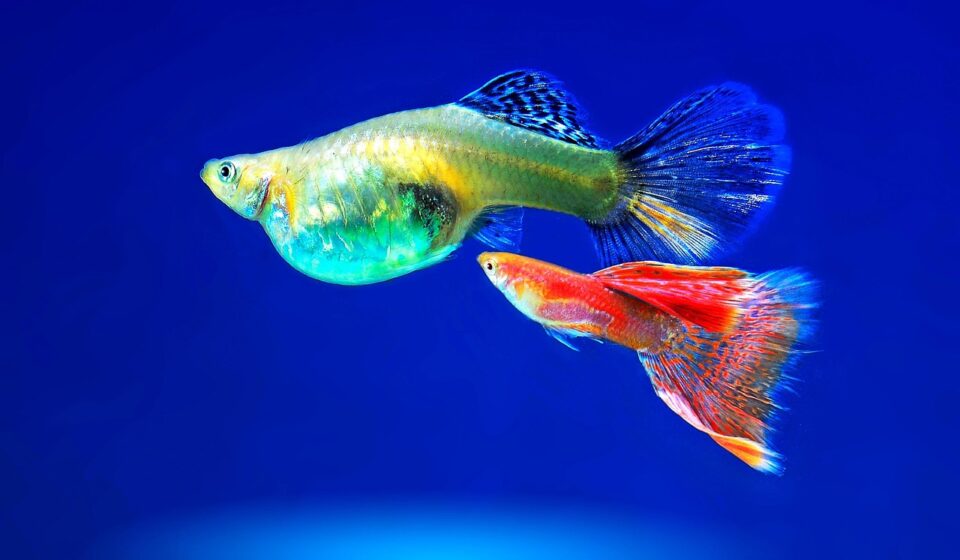
Guppies are perhaps the quintessential beginner fish. These small, vibrantly coloured livebearers are incredibly hardy and reproduce readily, offering a constant source of activity and visual appeal. They are peaceful and thrive in community tanks with other small, non-aggressive fish.
In real terms, guppies are small, typically measuring 1.5 to 2.5 inches (4-6 cm). They do best in tanks of 20 gallons (75 litres) or larger, especially if you intend to keep a group. Ensure a varied diet including high-quality flakes and occasional live or frozen foods. Male guppies are often more colorful and active, while females are larger and plumper.
Neon Tetras (Paracheirodon Innes)
Neon Tetras are small, schooling fish known for their striking iridescent blue and red stripes. They are peaceful, relatively hardy once acclimated, and add a beautiful shimmer to any aquarium. They do best in groups of six or more, which encourages natural schooling behaviour and reduces stress.
These fish prefer slightly acidic to neutral water conditions (pH 6.0-7.5) and a temperature range of 72-78°F (22-26°C). A minimum tank size of 10–15 gallons (38–57 litres) is recommended for a small school. Their small size (around 1.5 inches or 4 cm) makes them suitable for nano aquariums, provided the tank is properly cycled.
Betta Fish (Betta splendent)
Often called Siamese Fighting Fish, Betas are stunningly beautiful and can be kept successfully by beginners, provided their specific needs are met. Males are known for their long, flowing fins and vibrant colours, but they are highly aggressive towards other males and can be territorial with other fish.
A common misconception is that Betas can live in tiny bowls. This is untrue and harmful. A minimum of a 5-gallon (19-litre) heated and filtered tank is essential for their well-being. They prefer warmer water (78-80°F or 26-27°C) and a diet of high-quality Betta pellets or frozen foods. While solitary males are common, some can be kept in carefully selected community tanks with peaceful, non-fin-nipping tank mates, but this requires experience.
Dwarf Gouramis (Colisa lalia)
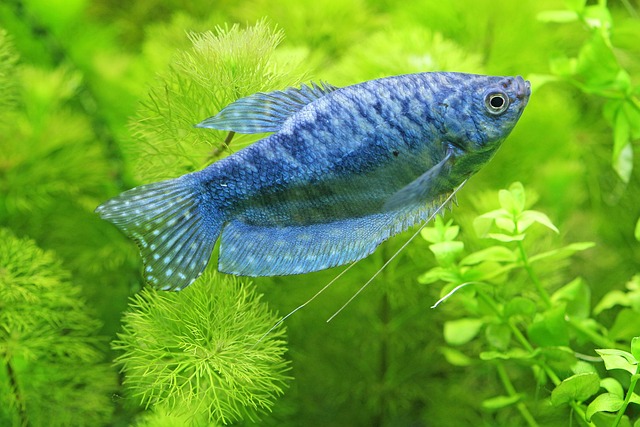
Dwarf Gouramis are colorful, peaceful labyrinth fish, meaning they can breathe air directly from the surface. They come in various attractive colour morphs, such as powder blue, flame, and neon. They are generally hardy and can be a good addition to a community aquarium.
These fish prefer aquariums of 20 gallons (75 litres) or more, with plenty of plants and hiding places. They require stable temperatures between 75-80°F (24-27°C). Males can sometimes be aggressive towards each other or other similar-looking fish, so it’s best to keep only one male per tank, possibly with one or two females. Their diet should include quality flakes, pellets, and occasional frozen or live foods.
Pygmy Corydoras (Corydoras pygmies)
Pygmy Corydoras are tiny, peaceful bottom-dwellers that make excellent additions to community tanks. They are known for their schooling behaviour and their diligent work as scavengers, helping to keep the substrate clean. They are relatively hardy and a joy to watch as they dart and explore.
These small catfish, typically only 1 inch (2.5 cm) long, thrive in groups of at least six. A 15-20 gallon (57-75 litre) tank is suitable for a small group. They prefer soft, slightly acidic water and a sand or fine-gravel substrate that won’t harm their delicate barbels. Their diet should consist of sinking pellets and occasional treats like bloodworms or Daphnis.
Celestial Pearl Danios (Danio margaritas)
Also known as Galaxy Rasboras, these tiny fish are incredibly beautiful with their pearl-like spots and unique markings. They are peaceful schooling fish that add a splash of colour and movement to smaller aquariums. They are relatively hardy once established.
Celestial Pearl Danios do best in groups of 8-10 or more and require a minimum tank size of 10-15 gallons (38-57 litres). They prefer a heavily planted tank with soft, slightly acidic water and temperatures around 72-78°F (22-26°C). Their small size (about 0.75 inches or 2 cm) makes them ideal for nano tanks.
Essential Tank Setup for New Aquarists
Even the hardiest fish require a stable environment. Setting up your aquarium correctly from the start is crucial for the health and longevity of your fish. Investing in the right equipment and understanding basic principles will prevent many common problems.
The Crucial Step: Tank Cycling
Before introducing any fish, your aquarium must undergo a process called ‘cycling’. This establishes a colony of beneficial bacteria in your filter that convert toxic ammonia (from fish waste) into less harmful nitrates. This process typically takes 4–8 weeks and can be done fishlessly using an ammonia source. Skipping this step is one of the most common and deadly mistakes beginners make, often leading to ‘New Tank Syndrome’ and fish fatalities.
According to the American Veterinary Medical Association (AVMA) (2023), establishing a properly cycled aquarium is the single most important factor in preventing fish disease and mortality. Without these bacteria, ammonia levels can rise rapidly, poisoning your fish.
Choosing the Right Tank Size
While small tanks are tempting due to cost and space, larger aquariums are generally more stable and forgiving for beginners. A 20-gallon (75-litre) tank offers a better balance of stability and manageability than a 5-gallon (19-litre) tank. Larger volumes of water dilute waste products more effectively, and temperature fluctuations are less drastic.
Consider that fish grow, and their waste production increases with size. A tank that seems spacious initially can quickly become overcrowded. For instance, a single Betta requires at least 5 gallons, but a community of guppies or tetras needs significantly more space to thrive. Always research the adult size and space requirements of any fish you plan to keep.
Essential Equipment: Heater, Filter, and Substrate
Heater: Most tropical fish require a stable water temperature. An adjustable aquarium heater with a thermostat is essential for maintaining this, typically between 75-80°F (24-27°C) for tropical species. Ensure the wattage is appropriate for your tank size (e.g., 50-watt for a 20-gallon tank).
Filter: A good filter is the heart of your aquarium, removing physical debris and housing beneficial bacteria. Hang-on-back (HOB) filters are popular and effective for beginner tanks. Choose a filter rated for your tank size or slightly larger to ensure adequate filtration.
Substrate: Gravel or sand forms the base of your aquarium. For most beginner fish, a fine to medium-grained gravel is suitable. If you plan on keeping bottom-dwellers like Corydoras, opt for sand or very smooth gravel to protect their barbels. For planted tanks, specialised substrate is recommended.
Common Beginner Mistakes to Avoid
Even with hardy fish, certain mistakes can quickly lead to problems. Being aware of these pitfalls can save you stress and heartache.
Overstocking the Tank
This is a cardinal sin in fishkeeping. Putting too many fish in an aquarium leads to poor water quality, increased aggression, stress, and disease. A general rule of thumb is ‘one inch of fish per gallon of water’, but this is a very rough guideline and doesn’t account for fish shape, waste production, or temperament. It’s always better to understock than overstock.
Improper Feeding
Overfeeding is as detrimental as underfeeding. Uneaten food decomposes, polluting the water and contributing to ammonia spikes. Feed your fish only what they can consume within 2–3 minutes, once or twice a day. Vary their diet with high-quality flakes, pellets, and occasional frozen or live treats appropriate for the species.
Skipping Water Changes
Regular partial water changes (typically 20-30% weekly) are vital for removing nitrates and replenishing essential minerals. This is non-negotiable for maintaining a healthy environment. Use a gravel vacuum to remove debris from the substrate during water changes.
Adding Fish Too Quickly
Even after cycling, your biological filter needs time to adjust to increased bioload. Introduce new fish gradually, perhaps a few at a time over several weeks, to allow the bacteria colony to catch up. This prevents sudden spikes in ammonia or nitrite that can harm your established fish.
Tips for Success with Beginner Fish
Beyond the basics, a few extra tips can elevate your aquarium experience from survival to thriving.
Research Fish Compatibility
Before you buy any fish, understand their temperament and needs. Do they need to be kept in schools? Are they peaceful or aggressive? Do they have specific water parameter requirements? For instance, a Betta should not be housed with fin-nipping tetras or other Betas. Similarly, large, boisterous fish may stress smaller, timid species.
Quarantine New Fish
For experienced keepers, quarantining new fish in a separate, smaller tank for 2–4 weeks before adding them to the main display tank is standard practice. Best aquarium fish for beginners allows you to observe them for any signs of disease or parasites and treat them without affecting your established community. While this might seem like an advanced step, it’s a powerful tool for preventing outbreaks.
Observe Your Fish Daily
Spend a few minutes each day observing your fish. Look for changes in behaviour, appetite, appearance, or swimming patterns. Early detection of problems can make a significant difference in successful treatment and recovery. Notice if any fish seem lethargic, have spots, or are being bullied.
Frequently Asked Questions
What are the best aquarium fish for beginners in 2026?
In 2026, the best aquarium fish for beginners remain hardy, adaptable species such as Guppies, Neon Tetras, Betta Fish (in appropriate tanks), Dwarf Gouramis, Pygmy Corydoras, and Celestial Pearl Danios. These species tolerate beginner mistakes and are visually appealing.
How many fish can I put in a 20-gallon beginner tank?
For a 20-gallon (75-litre) tank, it’s best to stock conservatively. Aim for a small school of 6-8 Neon Tetras or 5-6 Pygmy Corydoras, or a single Betta with a few snails. Avoid overcrowding, as this is a common cause of poor water quality and stressed fish.
What is the easiest fish to care for?
Guppies are widely considered one of the easiest fish to care for due to their hardiness, adaptability to various water conditions, and peaceful nature. They are also livebearers, making their breeding process fascinating for new hobbyists.
Can I mix different types of beginner fish?
Yes, you can mix different types of beginner fish, but careful research is essential. Ensure they have compatible temperament, water parameter needs (temperature, pH), and size requirements. Peaceful schooling fish like Tetras and Guppies can often coexist, as can Corydoras catfish with Tetras.
How long does it take to cycle a new aquarium?
Cycling a new aquarium typically takes 4 to 8 weeks. This process establishes the necessary beneficial bacteria to convert toxic ammonia and nitrite into less harmful nitrates. It’s a crucial step that should not be rushed before adding fish.
What are the most common mistakes new aquarium owners make?
The most common mistakes include overstocking tanks, overfeeding fish, skipping regular water changes, and not cycling the tank properly. Rushing the introduction of fish is also a frequent error that stresses the biological filter.
Your Thriving Aquatic Future Starts Now
Establishing a successful aquarium as a beginner is entirely achievable with the right approach. By choosing hardy, adaptable fish, setting up a stable environment, and committing to regular maintenance, you can create a beautiful and healthy aquatic ecosystem. The species listed here offer a fantastic starting point, providing visual appeal and a forgiving nature as you learn. Remember that patience, research, and consistent care are your greatest tools for a flourishing aquarium.
Information current as of July 2026; pricing and product details may change.
Related read: The Marwari Horse: India's Rare, Elegant Desert Breed
Source: Britannica.
Knowing how to address best aquarium fish for beginners early makes the rest of your plan easier to keep on track.
Related read: The Spruce Pets: Your Guide to Comprehensive Pet Care Advice