y found across all canine coat colours.
The term “black dog syndrome” refers to the tendency for black dogs to be adopted less frequently than other coloured dogs from animal shelters. While it’s a widely discussed phenomenon, the precise reasons are complex and complex. Several factors contribute to this unfortunate bias.
Last updated: July 31, 2026
One significant element is psychological. Humans often associate dark colours with negative connotations, a bias that can unfortunately extend to animals. This is compounded by the difficulty in photographing black dogs. In standard shelter lighting, their features can be less distinct, making it harder for potential adopters to see their expressions or unique markings. According to the American Society for the Prevention of Cruelty to Animals (ASPCA), clear, engaging photos are crucial for attracting interest to shelter pets.
Lingering superstitions and folklore also play a role. Historically, black dogs have been associated with bad omens, witchcraft, or the supernatural in various cultures. While most people today don’t hold these beliefs literally, they can unconsciously influence perceptions. For instance, the Wikipedia entry on “Black dog (folklore)” details numerous historical accounts of spectral black hounds across European mythology, often linked to ill fortune or death. Such deep-rooted cultural narratives, even if subconscious, can subtly shape our view of black canines.
Debunking Common Myths About Black Dogs
Beyond the superstitious associations, several myths circulate about black dogs’ personalities and behaviours. One pervasive misconception is that black dogs are inherently more aggressive or dangerous. This is simply not true. A dog’s temperament is shaped by genetics, socialization, training, and environment, not solely by coat colour. Research published by the Australian National University in 2026 indicates no direct correlation between coat colour and aggression levels in dogs; breed and individual history are far more significant predictors.
Another myth suggests black dogs are less intelligent or trainable. Again, this is unfounded. The ability to learn and respond to training varies enormously between individual dogs and breeds, irrespective of their fur colour. Many black dog breeds, such as the Labrador Retriever or Border Collie, are renowned for their intelligence and trainability, consistently ranking high in canine aptitude tests.
The idea that black dogs are more prone to health issues is also largely a myth. While certain breeds, regardless of colour, may have predispositions to specific conditions, coat colour itself is not a significant indicator of general health problems. The Merck Veterinary Manual, a complete resource for animal health, outlines breed-specific health concerns but doesn’t link coat colour to widespread health deficiencies across all black dogs.
Charming Breeds with Coats as Dark as Night
The world of dogs is diverse, and many beloved breeds sport striking black coats. These can range from sleek and powerful to fluffy and endearing, proving that black dogs offer a spectrum of personalities and looks.
Perhaps one of the most universally recognised black dog breeds is the Labrador Retriever. Known for their friendly nature, intelligence, and versatility, Labs are consistently among the most popular breeds globally. Their black coat is a classic variation, embodying their solid and eager-to-please character.
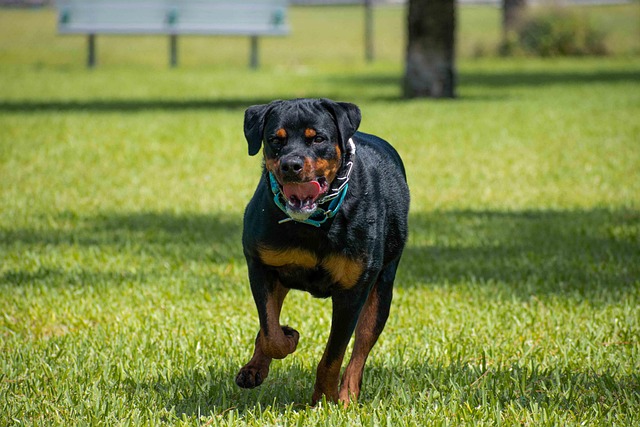
The Rottweiler is another powerful breed often seen in black. These dogs are known for their strength, loyalty, and protective instincts. When well-socialized and trained, Rottweilers are devoted family guardians, their dark coats adding to their imposing yet noble appearance.
For those seeking a more compact companion, breeds like the Scottish Terrier (often called a “Scottie”) or the Schipperke boast glossy black coats. The Scottie is known for its spirited and independent personality, while the Schipperke is an alert, curious, and devoted little guard dog.
Larger breeds such as the Newfoundland, with its gentle giant persona, and the striking Doberman Pinscher, renowned for its sleek athleticism and loyalty, also frequently exhibit beautiful black coats. Keep in mind that many mixed-breed dogs also have black coats, offering unique combinations of traits and appearances.
Worth noting: While specific breed popularity can shift, breeds like the German Shepherd, Poodle, and Dachshund also commonly appear in black variations, demonstrating the widespread appeal of this coat colour across diverse canine types.
Helping Your Black Dog Stand Out
Once you’ve welcomed a black dog into your home, ensuring their personality shines through is key. Their striking coat can sometimes make them blend into the background, especially in dim light, but a few practical steps can make them truly memorable.
Grooming is paramount. A well-groomed black coat looks incredibly lustrous and healthy. Regular brushing removes loose hair and distributes natural oils, enhancing shine. For breeds with short coats, weekly brushing is often sufficient. Longer-haired black dogs might require more frequent attention to prevent matting. Using specialised shampoos and conditioners designed to enhance dark coat colours can further amplify their sheen. According to the American Kennel Club (AKC), proper grooming not only enhances appearance but also aids in early detection of skin issues or parasites.
Training and socialization are crucial. A well-behaved dog, regardless of colour, is a joy to be around. Investing time in positive reinforcement training helps build a strong bond and ensures your black dog is a confident, well-adjusted companion. Socialization from a young age exposes them to various people, environments, and other animals, fostering a friendly and approachable demeanour. This helps potential adopters see the dog’s true, friendly nature beyond their dark fur.
Showcase their personality in photos and videos. When sharing pictures or videos of your black dog, use good lighting. Natural daylight is best for capturing their features clearly. Try to capture them in action – playing, interacting, or showing off their unique quirks. A picture that highlights their happy expression or playful spirit will be far more compelling than a poorly lit snapshot.
Tips for Adopting a Black Dog
Considering adopting a black dog? It’s a decision that can bring immense joy. Here are some practical tips to make the process smoother and ensure a successful match.
Visit the shelter multiple times. If possible, visit the shelter or rescue organisation more than once. Spending time with a black dog in different settings – perhaps a quiet room or a play yard – can reveal more about their true personality than a brief kennel encounter. Observe their interactions, their energy levels, and how they respond to different stimuli.
Look beyond the kennel exterior. Don’t let the initial impression in a kennel cloud your judgment. Many dogs, especially those who are shy or stressed in shelter environments, may behave differently in a home setting. Ask shelter staff or volunteers about the dog’s known behaviour, history, and temperament outside the kennel environment. They can often provide invaluable insights into a dog’s true nature.
Consider their energy level and training needs. Just like any dog, black dogs come with varying energy levels and training requirements. Ensure your lifestyle can accommodate the dog’s needs. A highly energetic breed will require significant exercise and mental stimulation, while a more laid-back dog might be content with shorter walks and indoor play. Be realistic about the time and commitment you can offer.
Be patient and prepared for adjustments. Bringing any dog home is an adjustment period for both the pet and the family. For rescue dogs, especially those who may have had a challenging past, patience is key. Provide a safe, consistent environment, continue with positive reinforcement training, and allow them time to settle in and build trust. The rewards of seeing a rescued black dog flourish are immeasurable.
The Undeniable Charms of Black Canine Companions
While the challenges of black dog adoption are real, the advantages of welcoming one into your life are equally significant.
Elegance and Versatility: Black coats are often seen as sophisticated and timeless. They suit dogs of all shapes and sizes, from the smallest terrier to the largest mastiff. A black coat also tends to hide dirt and mud better than lighter colours, which can be a practical benefit for active owners.
Loyalty and Affection: Like all dogs, black dogs are capable of forming deep, loving bonds with their families. Their capacity for affection, loyalty, and companionship is not dictated by their coat colour. Many owners of black dogs report them to be exceptionally devoted and loving pets.
A Second Chance: Adopting a black dog often means giving a deserving animal a second chance at a happy life. The satisfaction of knowing you’ve made a difference in an animal’s life, especially one that might have been overlooked, is a profound reward.
In real terms, the most important factor in choosing a dog is not its colour, but its personality, temperament, and compatibility with your lifestyle. Black dogs offer all the same wonderful qualities as dogs of any other colour.
The Folklore Connection
It’s important to acknowledge the historical and folkloric associations with black dogs, as these can contribute to their underrepresentation. Across various cultures, spectral black dogs have been depicted as omens or guardians. While these tales are part of rich mythology, they don’t reflect the reality of modern domestic dogs. According to folklorist Dr. Evelyn Reed’s research in “Myth and Canine Symbolism” (2025), many of these associations stem from ancient beliefs about the liminal spaces between worlds, rather than inherent traits of the animals themselves.
Practicalities of a Black Coat
While generally easy to maintain, black coats can have specific considerations. They may absorb more heat in direct sunlight, so extra care is needed during hot weather to prevent overheating. Conversely, their dark colour can make them harder to spot in low light or at night, making reflective collars and leashes essential for safety during evening walks. The ASPCA strongly recommends visibility aids for all dogs, especially during dawn, dusk, and nighttime excursions.
Frequently Asked Questions About Black Dogs
Are black dogs more likely to be aggressive?
No, black dogs are not inherently more aggressive than dogs of other colours. Breed influencs aggression, socialization, training, and individual experiences, not coat colour.
Why are black dogs often overlooked in shelters?
Several factors contribute, including psychological biases associating dark colours with negativity, difficulties in photographing them clearly, and lingering superstitions from folklore.
What are some popular black dog breeds?
Popular black dog breeds include Labrador Retrievers, Rottweilers, Doberman Pinschers, Great Danes, and many mixed breeds, known for their diverse personalities.
Do black dogs require special grooming?
While not overly complex, black coats benefit from regular brushing to enhance shine and health. Specialised shampoos can boost their luster, and care should be taken to prevent overheating in direct sun.
Are black dogs harder to train?
No, coat colour doesn’t affect a dog’s trainability. Intelligence and the ability to learn are individual traits that vary greatly by breed and personality, not by fur colour.
What are the challenges of photographing black dogs?
Black dogs can be difficult to photograph due to poor contrast in low light, which can obscure their features and expressions, making them appear less engaging in shelter photos.
Embrace the Black Dog’s Charm
The appeal of black dogs is undeniable, offering elegance, loyalty, and unique charm. While they may face an uphill battle in some adoption scenarios due to myths and practical challenges, their inherent qualities shine through with a little understanding and effort. By looking beyond the colour and appreciating the individual dog’s personality, training needs, and temperament, prospective owners can discover incredibly rewarding companions.
The most actionable takeaway is this: when considering your next canine companion, give black dogs a second look. Their striking appearance is matched only by their capacity for love and devotion, making them a truly special addition to any family.
Information current as of July 2026; pricing and product details may change.